I Think Most Procurement Pros Miss the Point on Medical Devices
Look, I've been managing purchasing for a mid-sized hospital group for about six years now. When I first started, I approached medical devices the same way I handled office supplies—compare prices, read a few specs, pick the most cost-effective option. But after a few expensive mistakes, I've changed my mind. I believe the way most hospital administrators evaluate medical equipment is fundamentally flawed. We focus too much on initial price and flashy features, and not nearly enough on integration, service, and long-term workflow implications.
You'd think with catalogues and detailed specs from companies like Roche Diagnostics, it'd be straightforward. But it's not. The reality is, a 'cheaper' blood gas analyzer that doesn't fit your lab's existing data system can cost you ten times its savings in frustrated staff and delayed results.
My First Big Wake-Up Call: The Blood Gas Analyzer Debacle
In 2023, we needed a new blood gas analyzer for our ICU. We got quotes, looked at the Roche diagnostics catalogue, and a competitor's offering was 15% cheaper. Seemed like a no-brainer. But we completely missed the integration cost. Most buyers focus on per-unit pricing and completely miss setup fees, training, and data integration that can add 30-50% to the total. The question everyone asks is 'what's your best price?' The question they should ask is 'what's included in that price?'
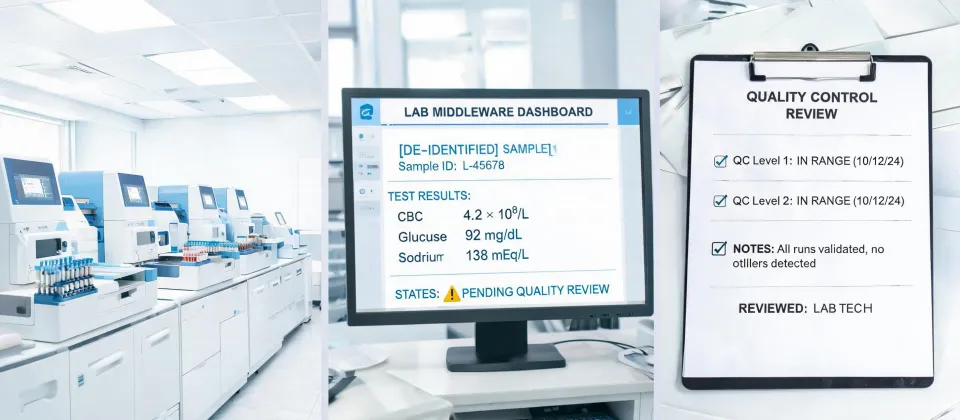
That 'budget' analyzer didn't talk to our existing lab information system. We spent four months and an extra $12,000 on middleware just to make the data export functional. I learned the hard way that 'compatible' on a spec sheet isn't the same as 'works seamlessly.'
What I've Learned About the 'Roche Diagnostics Catalogue'
Now, when I'm looking through a supplier's catalogue—whether it's for a robotic surgery system or a simpler diagnostic tool—I have a different checklist. It's tempting to think you can just compare unit prices, but identical specs from different vendors can result in wildly different outcomes. Here's what I actually look for now:
- Service and support structure: Not just 'we have support,' but the specifics on response times, parts availability, and on-site training.
- Workflow integration: Will this device require us to change our existing processes? A great piece of equipment that requires two extra administrative steps is a net negative.
- Total cost of consumables: A cheap main unit is often a trap. The real cost is in the reagents, the calibration kits, and the disposables over 3-5 years.
For example, when we finally switched to a Roche blood gas analyzer in 2024, the unit price was higher, but the integration was plug-and-play, and the reagent pricing was transparent. Over two years, we saved about $8,000 in hidden costs like technician overtime and data cleanup (note to self: I should really track these savings more formally).
The Robotic Surgery Rabbit Hole and Other Complexities
Robotic surgery systems are a whole different beast. It's not like buying a new centrifuge. You're not just buying a machine; you're buying a platform that affects surgeon training, OR scheduling, and even patient outcomes reporting. The 'best' system on paper might be a nightmare for your surgical team to adopt.
I've seen colleagues get completely dazzled by demo day—the smooth motions, the 3D imaging—and miss the fact that the consumable instruments cost 40% more than the alternative, or that the service contract requires a dedicated engineer for 24/7 support. An informed decision-maker asks better questions and makes faster decisions. I'd rather spend an hour explaining the nuances of these systems to a new department head than deal with mismatched expectations later.
(Which, honestly, is the most frustrating part of this job—seeing a good piece of equipment fail because the procurement process didn't account for the human and logistical factors.)
Yes, I Know the Counter-Argument: 'Get the Cheapest That Works'
I get it. Hospital budgets are tight. Finance wants to see the lowest sticker price. I've had that conversation. 'Just get the cheapest blood gas analyzer that meets the specs,' they say. But that ignores the transaction cost of vendor evaluation and the value of established relationships.
After the third late delivery from a 'budget' supplier for simple items like bag valve masks (what is a bag valve mask if not a critical, must-work-first-time device?), I was ready to give up on them entirely. What finally helped was building in buffer time rather than trusting their estimates. But for complex equipment? The 'cheapest' is almost never the least expensive in the long run.
I stand by my view: Informed customers make better decisions, and that means digging deeper than the Roche Diagnostics logo or the catalogue price. If you're not looking at the 3-year total cost, the staff training requirements, and the specific data output format, you're not really evaluating—you're just shopping.
